Umstrittene Methoden
Architekturdiskurse der Verwissenschaftlichung, Politisierung und Partizipation im Umfeld des Design Methods Movement der 1960er Jahre
The Design Methods Movement was a very unpopular movement—so unpopular that even its founders soon distanced themselves from it. Persistent debates over the nature of design brought to light the political dimension of design as well as the need for very extensive participation. The design methodology called itself into question and challenged the neutral, expert role of designers in favor of more open and intense relationships with social reality—a thoroughly disruptive central demand at the movement’s conclusion.
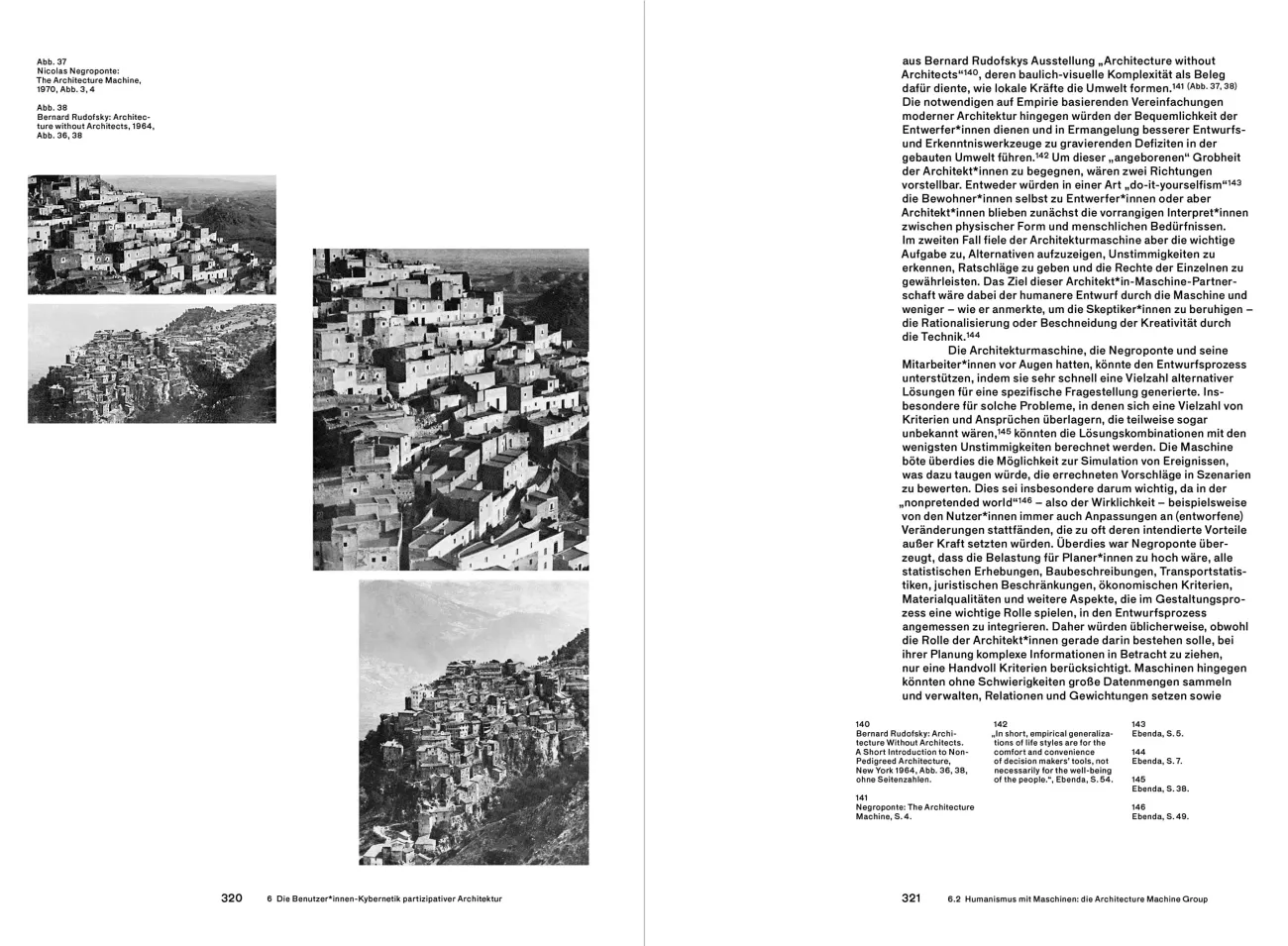
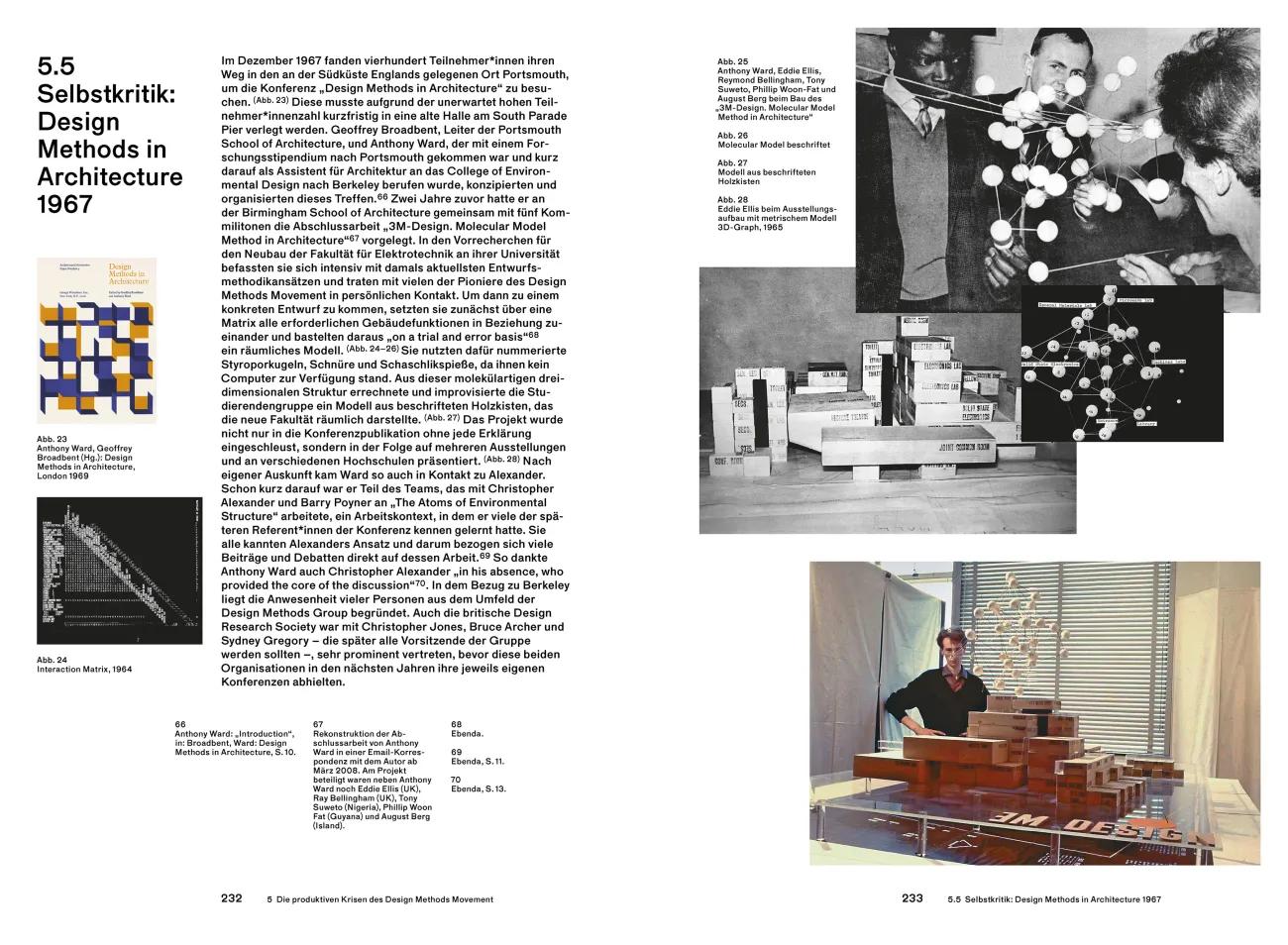
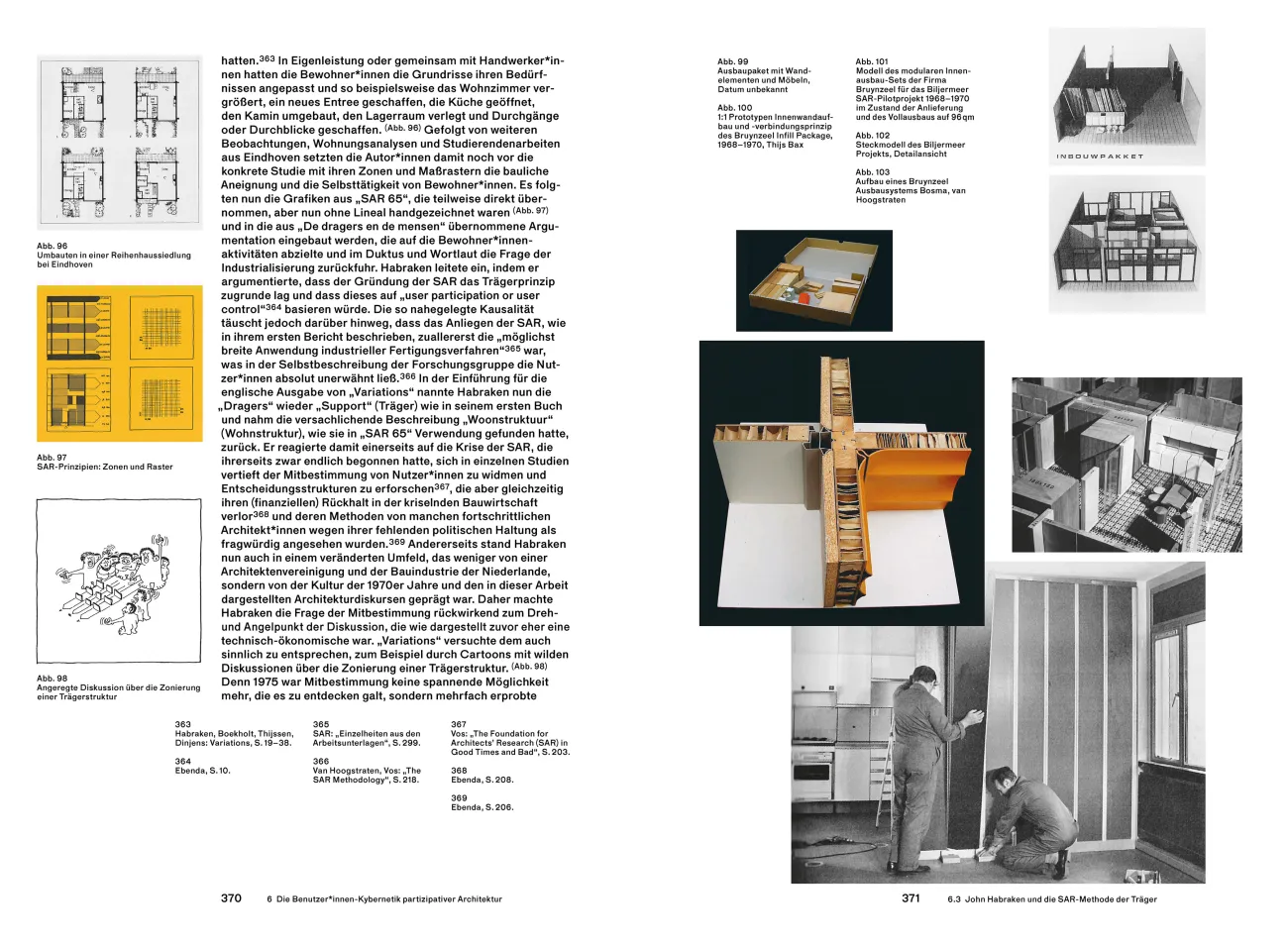
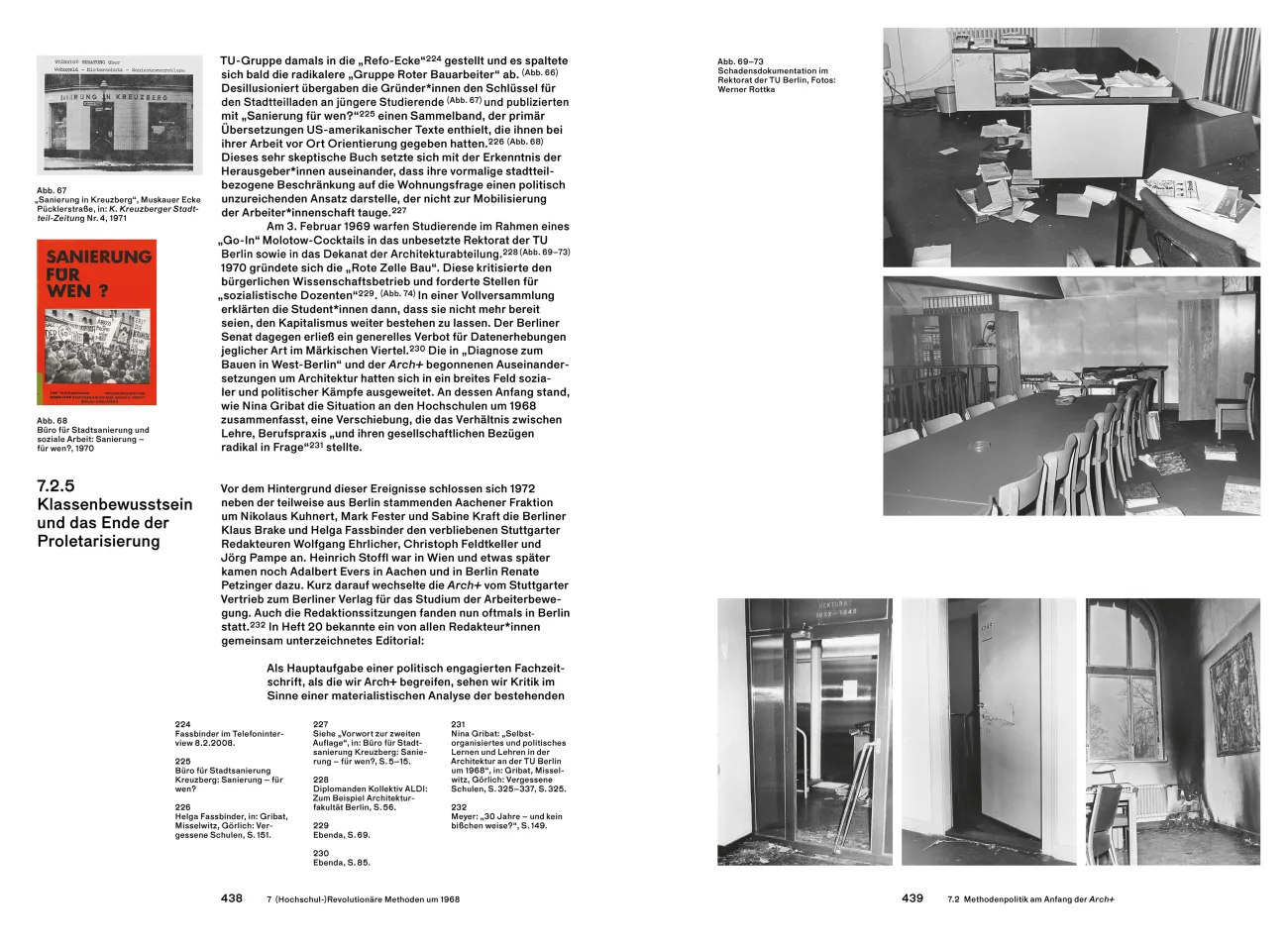
The book traces the conflicts surrounding the justifiability of design from the Ulm School of Design (HfG Ulm), Horst Rittel, and Christopher Alexander into the Design Methods Movement and the architects involved there, such as John Habraken and the S.A.R., Yona Friedman, and the Architecture Machine Group. There, as well as in the later German-language discourse on design methods around 1968—which was shaped by Jürgen Joedicke and the newly founded Arch+—and in the largely unexplored field of methodologically motivated advocacy planning—from the Architects’ Renewal Committee in Harlem and Urban Planning Aid in Boston to the Portuguese SAAL—it is possible to reconstruct a repressed, committed, and (self-)critical design practice.